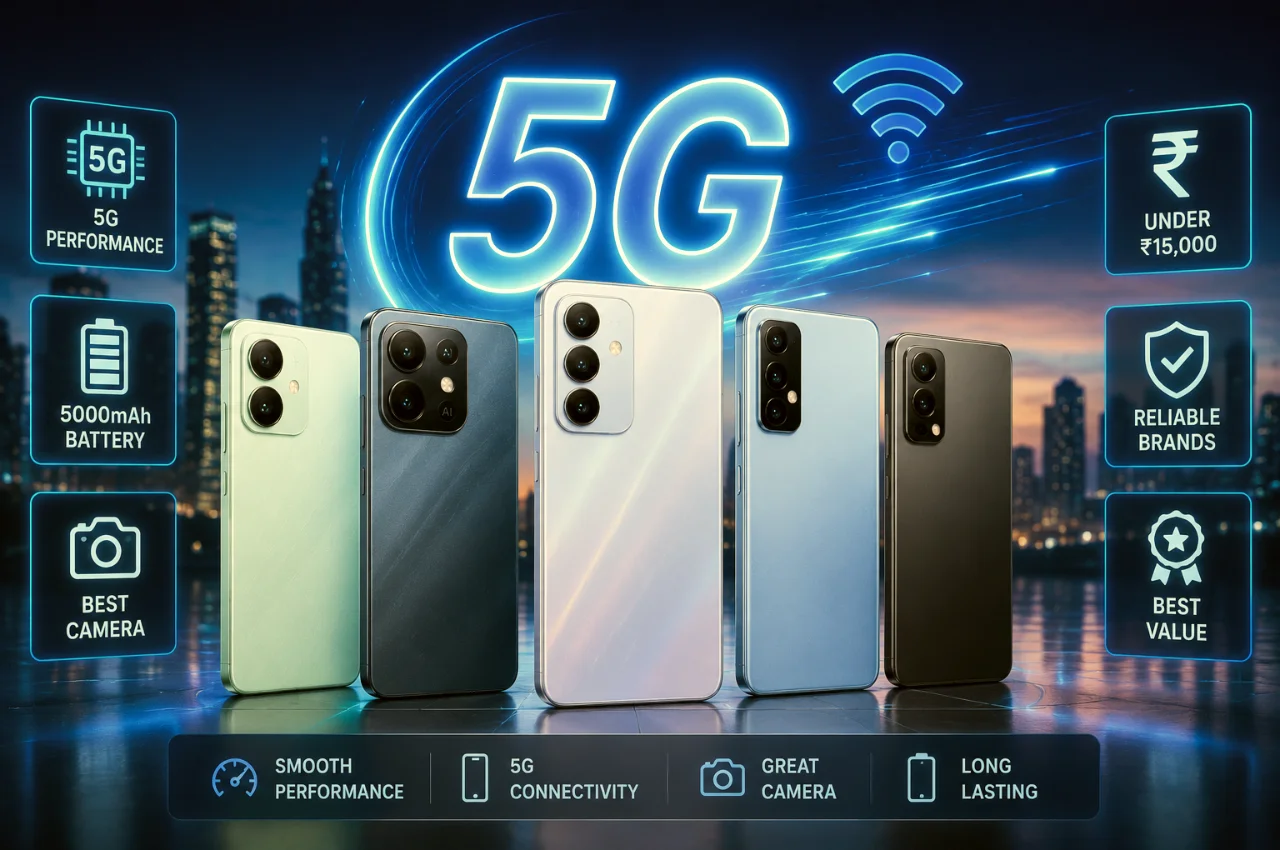
There is a moment every Indian smartphone buyer knows well. You are standing in a store, or scrolling through Flipkart at midnight, staring at a dozen phones that all claim to be the best. The spec sheets are full of big numbers. The marketing is loud. And you have a budget of ₹15,000 that you worked hard to save.
The good news? In 2026, that budget is genuinely exciting.
The sub-₹15,000 segment has quietly become one of the most competitive battlegrounds in Indian tech. Brands like Realme, Redmi, OPPO, Samsung, and Motorola are packing 5G connectivity, 120Hz displays, 50MP cameras, and 6,000–7,000 mAh batteries into phones that cost less than a weekend trip to Shimla. Two years ago, 5G under ₹15,000 was a stretch. Today, it is the standard.
But here is the honest part: not every phone in this segment is worth your money. Some prioritise battery life and sacrifice camera quality. Some look beautiful in marketing photos but feel sluggish after three months of use. Some come with barely adequate RAM that will frustrate you within a year. This guide cuts through all of that.
We have looked at every major launch in this price range through mid-2026 and narrowed it down to the phones that actually deserve your attention — with clear advice on who each phone is best suited for.
Why 5G Matters at This Price in 2026
Before we get into the phones, one question deserves a straight answer: do you actually need 5G under ₹15,000?
Yes. And here is why.
India’s 5G rollout has moved faster than most analysts expected. As of 2026, Jio and Airtel have expanded 5G coverage to over 700 districts across the country. Cities like Kanpur, Lucknow, Bhopal, Nagpur, Patna, and Surat — not just the metros — now have reliable 5G signals in most areas. If you buy a 4G phone today, you are locking yourself out of this network for the next three to four years.
More importantly, the speed difference is not subtle. 5G on Jio or Airtel can deliver real-world download speeds of 150–400 Mbps in well-covered areas, compared to 10–30 Mbps on 4G. That means faster YouTube loading, smoother video calls, quicker app downloads, and better online gaming. As UPI apps, OTT platforms, and work tools grow heavier, that speed difference will matter more, not less.
The practical advice is simple: always buy 5G in 2026, even in the budget segment. The price difference between a good 4G phone and a good 5G phone in this range is now minimal, sometimes just ₹500 to ₹1,000 on sale. It is not worth skipping.
What to Look For Before You Buy
Buying a phone under ₹15,000 requires some prioritisation because no single device does everything perfectly at this price. Here are the things that actually matter, explained honestly.
Processor and Performance
The chipset is the brain of your phone. In 2026, the best processors available under ₹15,000 are the MediaTek Dimensity 7300, Snapdragon 6s Gen 3, and Dimensity 6300. The Dimensity 7300 is the strongest of the three — it handles gaming, multitasking, and camera processing noticeably better. The Snapdragon 6s Gen 3 is efficient and smooth for everyday use. The Dimensity 6300 is entry-level 5G — fine for WhatsApp, YouTube, and Instagram, but it will feel slow during extended gaming sessions or when too many apps are open at once.
Do not get distracted by RAM numbers alone. A phone with 6GB RAM and the Dimensity 7300 will feel snappier than a phone with 8GB RAM running on a weaker chip.
Display Quality
The display is what you stare at for five to six hours a day. In this price range, you will encounter LCD panels and AMOLED panels. AMOLED screens produce deeper blacks, more vivid colours, and better battery efficiency when displaying dark themes. LCD screens are cheaper to produce but look acceptable for content consumption. If two phones are otherwise equal, prefer the one with AMOLED. A 120Hz refresh rate is widely available in this segment in 2026 and makes scrolling feel noticeably smoother.
Battery Life
Budget phones are champions of battery life, and that is one of their genuine strengths. Most phones in this range come with 5,000–7,000 mAh batteries. A 5,000 mAh battery is solid. A 6,000–7,000 mAh battery can push you to two days of usage if you are not a heavy gamer. Look for fast charging support as well — 33W and 45W chargers are common here, and they make a real difference when you need a quick top-up.
Camera Reality
Marketing will tell you every phone under ₹15,000 has an incredible camera. The truth is more nuanced. A 50MP camera is now standard, but megapixels tell you very little about actual photo quality. What matters is the image processing software, the aperture, and how the phone handles low-light situations. At this price point, daylight photos can look genuinely impressive. Night mode results are acceptable but not outstanding. Expect average performance in very dark environments, regardless of which phone you pick.
Software and Updates
This matters more than people realise. A phone that launches on Android 15 in 2026 and receives two years of OS updates will still feel relevant in 2028. Check the brand’s update commitment before buying. Motorola and Samsung have been the most reliable in this regard among budget brands. Realme and Redmi have improved but still trail in update consistency.
The Top 5G Phones Under ₹15,000 in India Right Now
Here are the strongest options available in this segment as of June 2026, with honest assessments of each.
Realme Narzo 70 Pro 5G — Best Overall Value
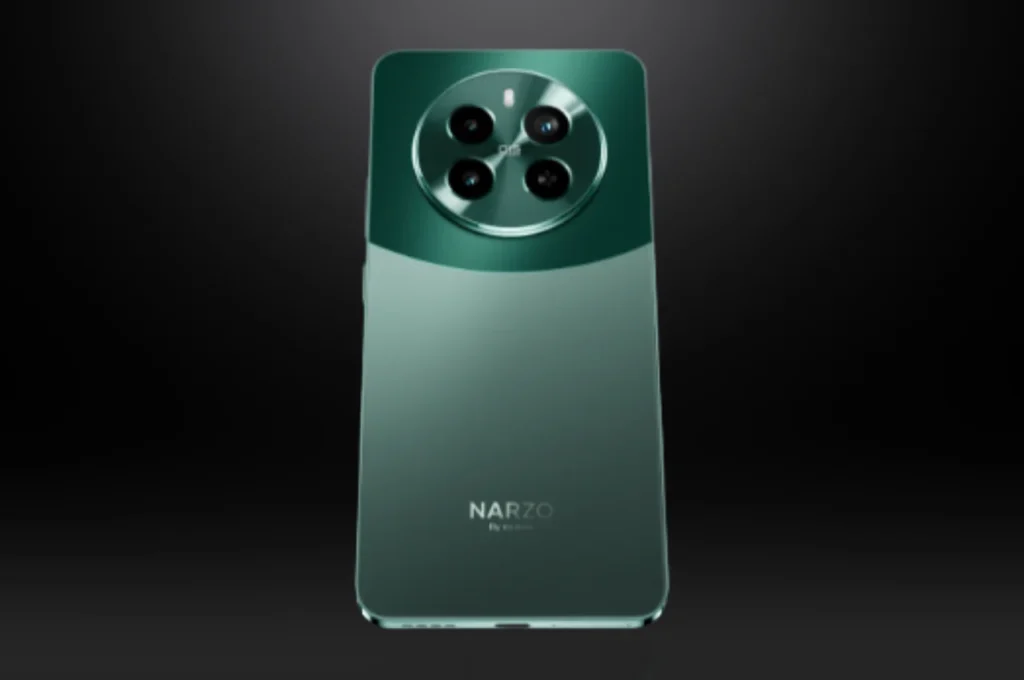
The Realme Narzo 70 Pro continues to hold its ground as the most well-rounded phone under ₹15,000. It runs on the MediaTek Dimensity 7050 processor — a genuine mid-range chip that handles gaming, photography, and multitasking more smoothly than most competitors at this price. The 6.67-inch AMOLED display with 120Hz refresh rate looks genuinely impressive for the segment. Colours pop, blacks are deep, and scrolling feels fluid.
The 50MP Sony IMX882 camera with OIS (optical image stabilisation) is the standout hardware feature. OIS is rare at this price point, and it makes a visible difference in keeping photos sharp when your hand is not perfectly still — particularly in low light or while shooting moving subjects. The 67W SuperVOOC fast charging takes the phone from zero to full in roughly 40 minutes, which is outstanding. The 5,000 mAh battery comfortably lasts a full day of mixed usage.
The trade-off is that Realme UI still carries occasional ads in system apps, which can be mildly irritating. Performance is excellent for the price, but the Dimensity 7050 is not as powerful as the 7300 found in some competitors. For most users — students, daily commuters, social media users, people who take a lot of photos — this is the phone to buy.
Key specs: 6.67-inch AMOLED 120Hz, Dimensity 7050 5G, 50MP OIS camera, 5,000 mAh battery, 67W charging, 8GB RAM, 128/256GB storage.
OPPO K14x 5G — Best Battery Life and Camera Under ₹15,000

The OPPO K14x 5G, launched in February 2026, arrived with a clear goal: offer the most battery life in its class. With a 6,500 mAh battery backed by 45W SuperVOOC charging, it largely delivers on that promise. The Dimensity 6300 processor is not the most powerful option here, but it handles daily tasks — browsing, video calls, social media, light gaming — without hiccups.
The 6.75-inch LCD display with 120Hz refresh rate is large and comfortable to use for content consumption. The 50MP rear camera, combined with OPPO’s AI photography features including AI Eraser and AI Unblur, produces sharp daylight photos. The 16MP front camera is notably better than most phones in this price range, which makes it a good pick for people who frequently take selfies or attend video calls.
ColorOS 15 based on Android 15 is polished and feature-rich, though it is software-heavy for some tastes. The 6GB + 128GB variant at approximately ₹16,999 offers better long-term value than the base model. The phone’s IP65 rating for dust and splash resistance is an understated but genuinely useful feature — not all phones at this price offer it.
Where it falls short: the Dimensity 6300 will feel its limitations during demanding gaming sessions, and the HD+ display resolution is a step below the FHD panels found in some competitors. If battery endurance and camera quality are your top priorities, this is a strong choice.
Key specs: 6.75-inch LCD 120Hz, Dimensity 6300 5G, 50MP + 16MP front camera, 6,500 mAh battery, 45W charging, up to 6GB RAM, 128GB storage.
Redmi 15 5G — Best for Large Screen and Heavy Battery Users
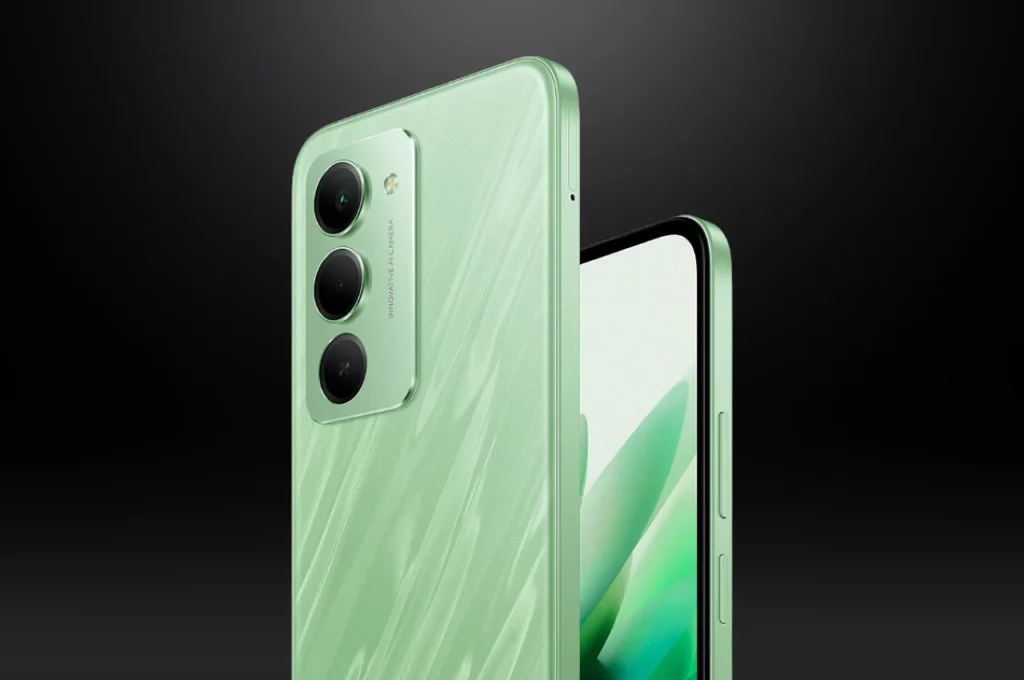
Xiaomi’s Redmi 15 5G launched in 2025 and remains competitively priced in 2026, often appearing at ₹13,000–₹14,000 during Flipkart sales. It runs on the Snapdragon 6s Gen 3, which is a reliable processor for smooth everyday performance. The 6.9-inch FHD+ IPS LCD display is one of the largest in this price segment and makes it excellent for watching content, reading, and gaming.
The 7,000 mAh battery is the largest available under ₹15,000 and easily pushes most users past two days of moderate use. For people in areas with patchy charging access, or those who frequently forget to charge their phone, this is a meaningful practical advantage. The 33W fast charging is adequate, though not as fast as the 45–67W options found on some competitors.
The camera system is competent for daylight photography. Low-light performance is average. The 144Hz refresh rate on the display is a bonus, making the interface feel exceptionally smooth. HyperOS 2 based on Android 15 is clean and increasingly refined.
The downside is that the base variant sometimes ships with 4GB RAM and no microSD slot on some configurations, which can be a concern for long-term use. Always verify the exact variant specifications before purchasing. If screen size and battery life matter most to you — this is the phone that wins in those categories.
Key specs: 6.9-inch FHD+ IPS LCD 144Hz, Snapdragon 6s Gen 3 5G, 50MP camera, 7,000 mAh battery, 33W charging, up to 8GB RAM.
Motorola Moto G37 Power 5G — Best Software and Long-Term Reliability
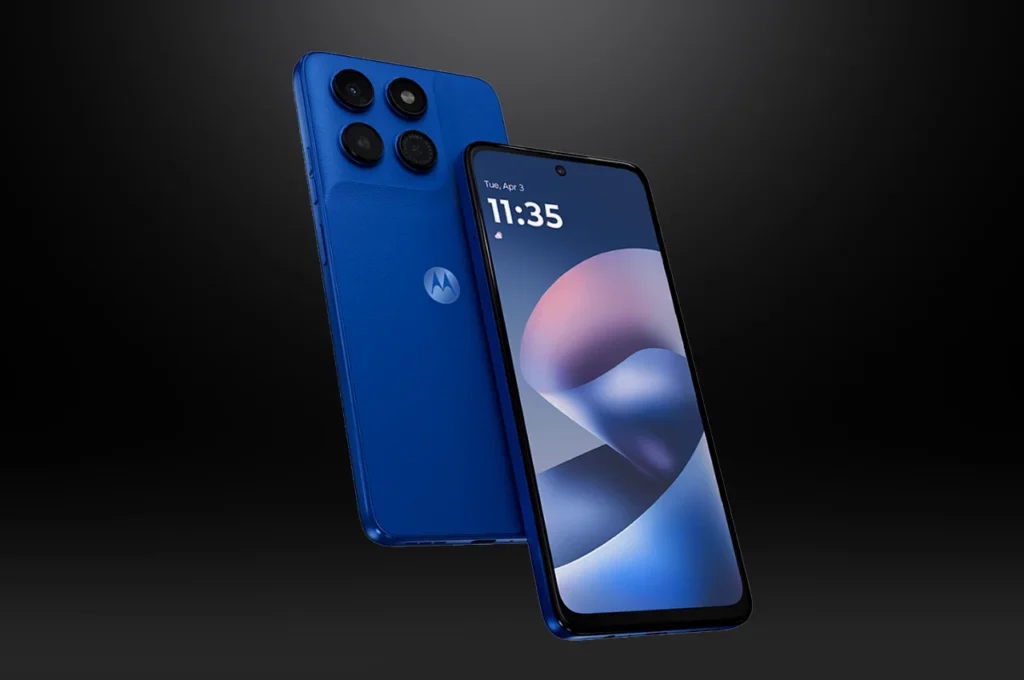
Motorola has built a quiet reputation for something that most budget brands struggle with: clean software and consistent updates. The Moto G37 Power 5G continues that tradition. It runs near-stock Android with minimal bloatware, no intrusive ads, and a straightforward, fast experience that does not slow down over time.
The Snapdragon 6s Gen 3 processor delivers smooth performance. The 6,000 mAh battery lives up to the “Power” branding — this phone genuinely lasts two days of regular use. The 120Hz LCD display is good for this price tier. The vegan leather back panel gives it a distinct, premium feel in the hand compared to the glossy plastic backs that most competitors use.
Motorola’s two-year OS update commitment and three years of security patches is one of the best in the budget segment. If you are buying a phone and want it to remain secure and functional through 2028 without frustration, Motorola is the brand to trust at this price.
The trade-off is the camera. While adequate for everyday shots, the Moto G37 Power does not match the imaging performance of the Narzo 70 Pro or OPPO K14x. If photography is your priority, look elsewhere. If clean software, reliable performance, and long battery life matter most to you, this is an outstanding choice.
Key specs: 6.67-inch LCD 120Hz, Snapdragon 6s Gen 3 5G, 50MP camera, 6,000 mAh battery, 33W charging, up to 8GB RAM.
Samsung Galaxy F17 5G — Best for Those Who Want Samsung Reliability
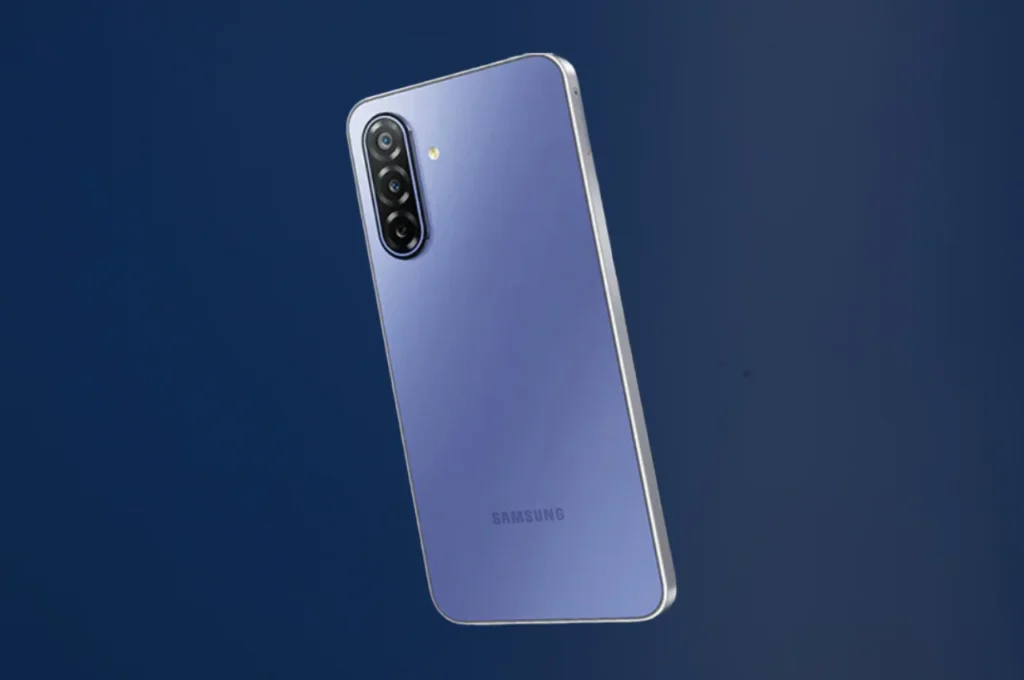
Samsung’s presence in the sub-₹15,000 category has historically been inconsistent — often delivering low specs at premium prices. The Galaxy F17 5G is a more balanced effort. It brings Samsung’s reliability, guaranteed software support, and a well-tuned display experience to the budget segment.
The phone features a 6.5-inch Super AMOLED display, which is a genuine differentiator at this price. Samsung’s AMOLED panels are among the best calibrated in the industry, and the display alone makes the F17 5G stand out visually. One UI 7 based on Android 15 is Samsung’s most refined budget software experience yet. Samsung’s commitment to four years of security updates on its Galaxy F series is unmatched in this segment.
The processor is a MediaTek entry-level chip which means gaming performance is limited. Battery life is decent with a 5,000 mAh cell. Fast charging is on the slower side at 25W. The camera produces good portraits and acceptable outdoor shots.
For someone buying their first smartphone, buying a phone for an elderly family member, or for someone who values the Samsung brand experience and support network across India’s tier-2 and tier-3 cities, the F17 5G offers peace of mind that other brands cannot match.
Key specs: 6.5-inch Super AMOLED, entry-level 5G chipset, 50MP camera, 5,000 mAh, 25W charging, up to 6GB RAM.
The Honest Limitations of This Price Segment
Any buying guide that only tells you the positives is not being fully honest with you. Here is what you should realistically expect — and accept — when buying under ₹15,000.
The cameras are good in daylight and average in everything else. Night photography, ultra-wide lenses, optical zoom — these features either do not exist or perform poorly at this price. If photography is your primary use case and you shoot frequently in low light, you will need to spend ₹20,000 or more.
Build quality involves compromises. Most phones in this segment are plastic-bodied. They can take a drop or two, but they are not built with the same care as a mid-range or premium device. A case and screen protector are genuinely recommended purchases.
Software experience varies widely. Redmi and Realme devices carry ads in their default apps and notification trays. If this bothers you, choose Motorola or Samsung instead, or be prepared to spend time in settings disabling advertising features after purchase.
Gaming has limits. For casual gaming — BGMI on medium settings, Candy Crush, chess, cricket games — these phones are perfectly adequate. For sustained high-graphics gaming on titles like Genshin Impact or Call of Duty Mobile at high settings, they will throttle after 20–30 minutes and grow warm. Dedicated gaming phones start at ₹20,000 and above.
How to Choose the Right Phone for You
With five strong options on the table, here is a quick decision guide.
If you want the best all-rounder with the best camera in the segment, choose the Realme Narzo 70 Pro 5G. It leads on display quality, camera hardware, and charging speed.
If battery life is your single most important criterion and you are willing to trade some processing power for two-day endurance, choose the OPPO K14x 5G or the Redmi 15 5G.
If clean software, long-term updates, and a premium in-hand feel matter more than raw specs, choose the Motorola Moto G37 Power 5G.
If you want the Samsung name, the best display in the segment, and reliable after-sales support across India, choose the Samsung Galaxy F17 5G.
One more piece of advice that most buying guides skip: wait for a sale if you can. The sub-₹15,000 segment sees significant discounts during Flipkart Big Billion Days, Amazon Great Indian Festival, and Republic Day and Independence Day sales. Phones that are priced at ₹15,999 or ₹16,499 regularly drop to ₹13,999 or ₹14,499 during these events, effectively giving you a better phone for the same budget.
Frequently Asked Questions
Is 5G really worth it under ₹15,000 in India in 2026?
Yes, without question. India’s 5G network now covers over 700 districts and is expanding rapidly. Jio and Airtel both offer 5G at no extra cost on compatible plans in covered areas. A 4G phone bought today will feel outdated within two years as 5G-first content, apps, and services become the norm. The price difference between a comparable 4G and 5G model is minimal in 2026 — always choose 5G.
How much RAM do I actually need under ₹15,000?
In 2026, 6GB RAM is the practical minimum for a smooth experience over two to three years. 8GB is better if you multitask heavily, keep many apps open simultaneously, or game regularly. Avoid 4GB RAM variants if you plan to keep the phone for more than two years — operating systems and apps have grown heavier, and 4GB will start showing strain well before your upgrade cycle.
Which phone under ₹15,000 has the best camera in 2026?
The Realme Narzo 70 Pro 5G leads the category thanks to its 50MP Sony IMX882 sensor with OIS. The optical image stabilisation is rare at this price and produces noticeably sharper results, especially in low light or while shooting moving subjects. The OPPO K14x 5G is a strong second choice for its 16MP front camera and AI photography tools.
Are phones under ₹15,000 good for online gaming?
They are adequate for casual and moderate gaming — titles like BGMI, Asphalt, and Clash of Clans run well on all the phones listed here. For competitive, sustained gaming sessions on graphically demanding titles at high settings, phones with the Dimensity 7300 or Snapdragon 6 Gen 3 chipsets (which start appearing above ₹18,000) will provide a noticeably better experience.
Which brand gives the most software updates under ₹15,000?
Samsung promises up to four years of security updates on its Galaxy F and M series phones. Motorola commits to two years of OS updates and three years of security patches, which is excellent for a budget brand. Realme and Redmi typically offer two OS updates and three years of security patches but have been less consistent in delivering updates on schedule compared to Motorola and Samsung.
Should I buy from Flipkart, Amazon, or an offline store?
For budget phones in India, Flipkart and Amazon offer the best prices, especially during sales events. Offline stores like Croma, Reliance Digital, and local dealers typically charge more but offer immediate exchange options and easier warranty claims in some cities. If you are buying for the first time or as a gift and want hands-on support, an offline purchase makes sense. For maximum value, buy online during a sale.
Final Thoughts
The sub-₹15,000 segment in India has reached a genuinely impressive level in 2026. You do not have to settle for a compromised smartphone experience in this budget. You can get 5G connectivity, a smooth 120Hz display, a capable camera, fast charging, and a battery that lasts all day — or longer — without spending a single rupee more.
The key is knowing what you are prioritising. Every phone in this guide is good. But the right phone for you depends on whether you care more about camera performance, gaming endurance, battery life, software cleanliness, or brand reliability. Use the recommendations in this guide as your compass, not just as a list of specs.
One final reminder: visit a store and hold the phone before you buy if you can. Spec sheets tell you a lot, but the weight, the feel in your palm, and the screen brightness in a lit room will tell you whether this phone is going to be something you enjoy using every day for the next three years. That experience cannot be captured in a comparison table.
Buy smart, buy 5G, and make your ₹15,000 count.