For more than a decade, creators have built audiences on platforms like YouTube, Instagram, and traditional blogging sites. But there has always been one major problem: the platform controls everything.
Algorithms decide who sees your content. Monetization rules change frequently. In many cases, creators receive only a small share of the revenue generated by their work.
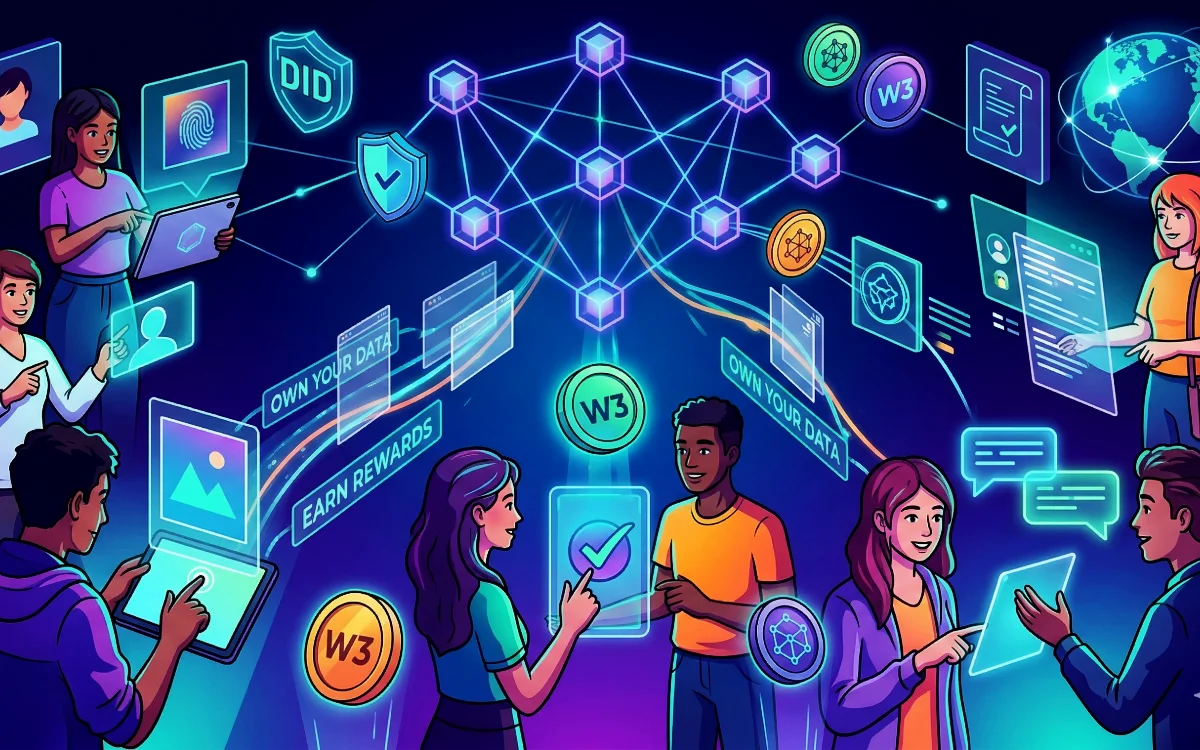
This frustration has helped drive the rise of decentralized content platforms — websites and apps built on blockchain technology that allow users to own their content and earn directly from it.
In this beginner’s guide, we’ll explore how these platforms work, which ones actually pay creators, and whether they are worth using in the real world.
What Are Decentralized Content Platforms?
Decentralized platforms are part of the broader Web3 movement, where online services operate on distributed networks rather than centralized servers controlled by one company.
Instead of storing all data on a single company’s servers, decentralized platforms store data across many computers in a blockchain network. This approach allows:
- greater transparency
- user ownership of data
- fewer centralized restrictions
- direct monetization through digital tokens
In many cases, creators earn cryptocurrency rewards based on the popularity or engagement of their posts.
This model is sometimes called the “creator economy 2.0.”
How Creators Actually Get Paid
On decentralized platforms, rewards typically come from three main systems.
1. Token Rewards
Many platforms use cryptocurrency tokens to reward users.
For example, on some blockchain-based social networks, creators earn tokens when other users like, vote, or interact with their posts.
These tokens can often be:
- traded on cryptocurrency exchanges
- converted into other digital assets
- stored as investments
2. NFTs and Digital Ownership
Some platforms allow creators to turn posts or media into NFTs (non-fungible tokens).
NFTs act as proof of ownership for digital content and can be sold directly to supporters.
This allows writers, artists, and musicians to monetize their work without relying on advertising.
3. Direct Community Funding
Decentralized platforms also support crowdfunding models where fans contribute directly to creators.
Instead of waiting for ad revenue, creators can receive support immediately from their audience.
Real Examples of Platforms That Pay Creators
Here are some of the most well-known decentralized content platforms currently used by creators.
1. Steemit – Blogging That Pays in Cryptocurrency
One of the earliest decentralized social networks is Steemit, launched in 2016.
Steemit works similarly to Reddit or blogging platforms, but with a major difference: users earn cryptocurrency for participating.
Creators receive STEEM tokens when their posts receive upvotes from other users.
The system also rewards users who discover and promote quality content through “curation rewards.”
Real-world use case
Many cryptocurrency writers and bloggers use Steemit to publish articles about technology, finance, and blockchain developments.
While earnings vary widely, some active users report building steady token income through consistent posting.
2. Mirror – Decentralized Publishing for Writers
Mirror.xyz is another Web3 publishing platform designed specifically for writers and independent creators.
Unlike traditional blogs, Mirror allows authors to:
- publish articles permanently on blockchain storage
- crowdfund projects from readers
- sell posts as NFTs
This model gives creators greater control over their work and revenue streams.
Mirror has become especially popular among Web3 developers and startup founders sharing research or project updates.
3. Lens Protocol – Social Media Built on Blockchain
Lens Protocol is a decentralized social media network built on the Polygon blockchain.
The platform allows users to:
- own their social profiles as NFTs
- monetize posts directly
- earn tokens through engagement and community participation.
Developers can also build their own apps on top of Lens, making it more like an ecosystem than a single platform.
4. DTube – A Decentralized Alternative to YouTube
Video creators also have decentralized options.
DTube is a blockchain-based video platform designed as an alternative to YouTube.
Instead of relying on advertising revenue, DTube rewards creators with cryptocurrency based on community votes and engagement.
Videos are stored using decentralized storage systems, meaning they are distributed across a network rather than stored on a single company server.
5. LBRY and Odysee – Decentralized Media Platforms
Another example is the LBRY protocol, which powers the video platform Odysee.
This system allows creators to publish videos, podcasts, music, or ebooks on a decentralized network while receiving payments through digital tokens.
Because content is stored across a distributed network, it is more resistant to censorship or platform shutdowns.
Why Creators Are Interested in Decentralized Platforms
There are several reasons creators are exploring these platforms.
Greater Ownership
Traditional social media platforms control content policies and monetization.
Decentralized platforms give creators direct ownership of their work.
Transparent Monetization
Blockchain transactions are recorded publicly, making revenue distribution more transparent.
Creators can see exactly how rewards are calculated.
Fewer Middlemen
Advertising networks and platform operators usually take large percentages of revenue.
Decentralized systems aim to reduce these intermediaries.
Global Payments
Because rewards are often paid in cryptocurrency, creators can receive income globally without relying on traditional banking systems.
Real-World Challenges to Understand
While decentralized platforms are promising, they also have limitations.
Earnings Are Unpredictable
Token rewards fluctuate based on market prices.
A creator’s income can vary widely depending on crypto market conditions.
Smaller Audiences
Most decentralized platforms still have far fewer users than mainstream social media.
Growing an audience may take longer.
Technical Learning Curve
New users often need to learn:
- crypto wallets
- blockchain transactions
- token management
This can be confusing for beginners.
Who Should Consider Using These Platforms?
Decentralized content platforms may be worth exploring if you are:
- a writer interested in Web3 or blockchain topics
- a video creator looking for alternatives to YouTube
- a developer building decentralized apps
- an early adopter experimenting with new technologies
They may also appeal to creators who want more control over their content and revenue.
Tips for Beginners
If you want to try decentralized platforms, keep these practical tips in mind.
Start With One Platform
Instead of joining many networks at once, focus on learning one platform first.
Secure Your Crypto Wallet
Many decentralized platforms require a digital wallet.
Make sure you store your recovery keys safely.
Focus on Valuable Content
Even in decentralized systems, quality content still matters.
Engaging posts and useful information attract more votes and rewards.
Diversify Your Platforms
Many successful creators use both traditional and decentralized platforms.
This helps balance audience reach and monetization opportunities.
The Future of Decentralized Content
Decentralized platforms are still evolving, but they represent a major shift in how online content can be monetized.
Instead of relying entirely on ads or sponsorships, creators may increasingly earn directly from their audiences through blockchain-based systems.
Researchers studying decentralized social networks suggest that token-based incentives can help encourage participation and content creation in these ecosystems.
Whether decentralized platforms eventually replace traditional social media remains uncertain.
However, they are already offering creators something many have wanted for years:
greater ownership, transparency, and control over their work.
FAQ
Do decentralized platforms really pay creators?
Yes. Many platforms reward creators with cryptocurrency tokens or NFT sales based on engagement.
Is it possible to earn real money?
Tokens earned on these platforms can often be traded for other cryptocurrencies or converted to traditional currency through exchanges.
Are decentralized platforms safe?
Most are built on blockchain technology, which is designed to be transparent and secure. However, users should always protect their wallets and private keys.
Do I need crypto knowledge to start?
Basic knowledge helps, but many platforms now provide beginner guides to help new users get started.
Can decentralized platforms replace YouTube or blogs?
They are unlikely to replace traditional platforms completely, but they are becoming valuable alternatives for creators seeking more control and new income opportunities.